
Architects and glazing specifiers
Compare film data on the same glazing basis.
Discuss a specification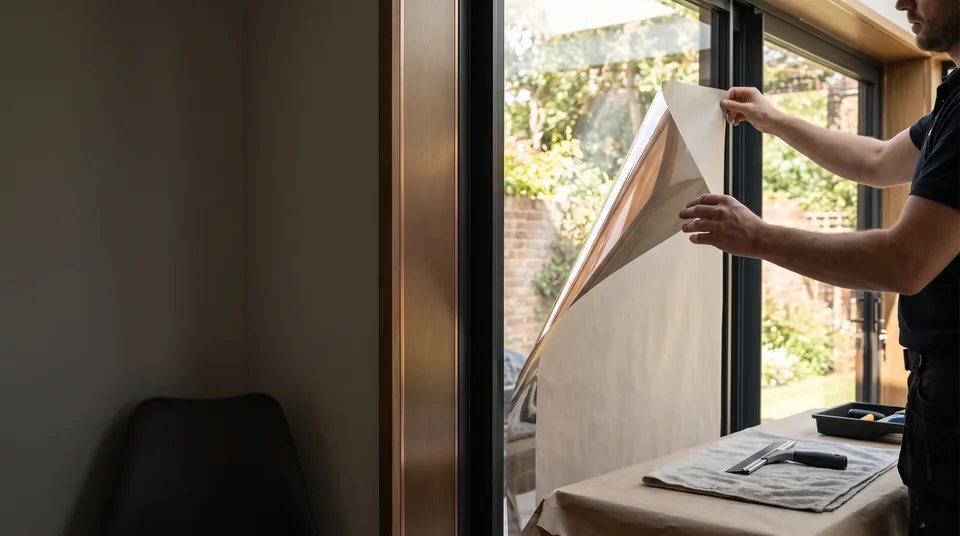
Make the light work for you.
Find your locationIllustrative imagery, not a local completed projectDiscuss uncomfortable sunlight, screen glare and the appearance you prefer. Product performance, glass compatibility and installation side all matter when choosing a solar-control film.
Different people need different details. Find a starting point for your solar & glare control film brief.
Compare film data on the same glazing basis.
Discuss a specification
Assess privacy and solar exposure in the living area.
Plan a conversion enquiry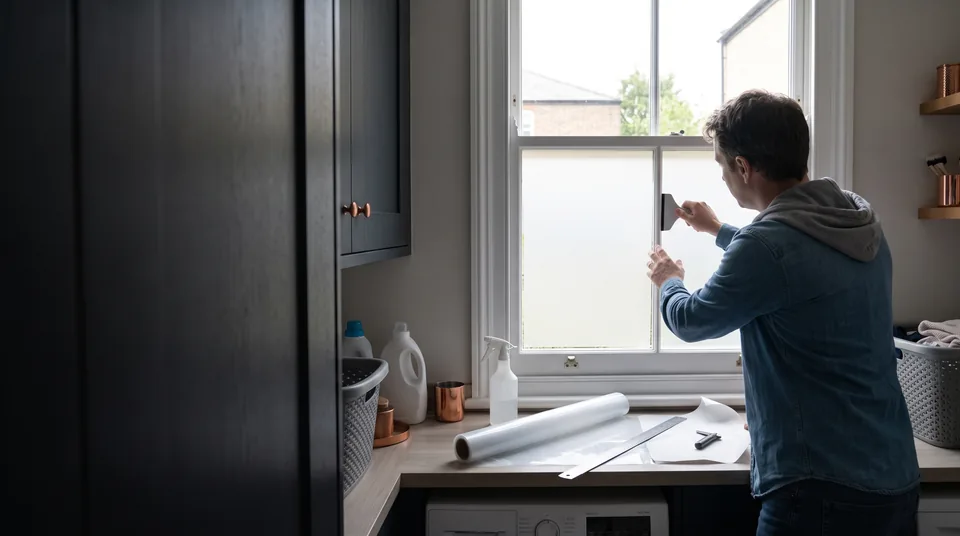
Find suitable DIY finishes by function, appearance and application method.
Plan my DIY film
Reduce glare and solar discomfort in identified areas.
Plan an office project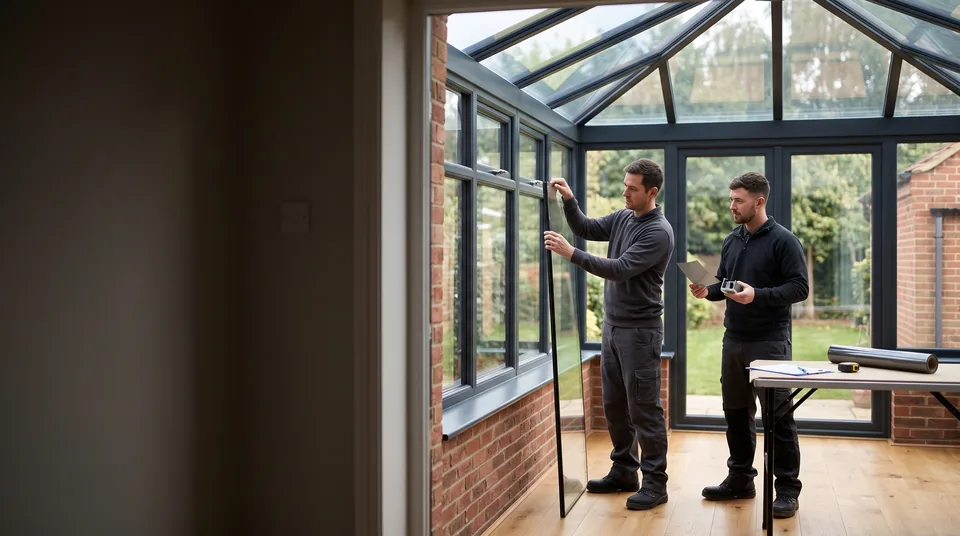
Distinguish glass and plastic substrates before discussing film.
Discuss a glazing referral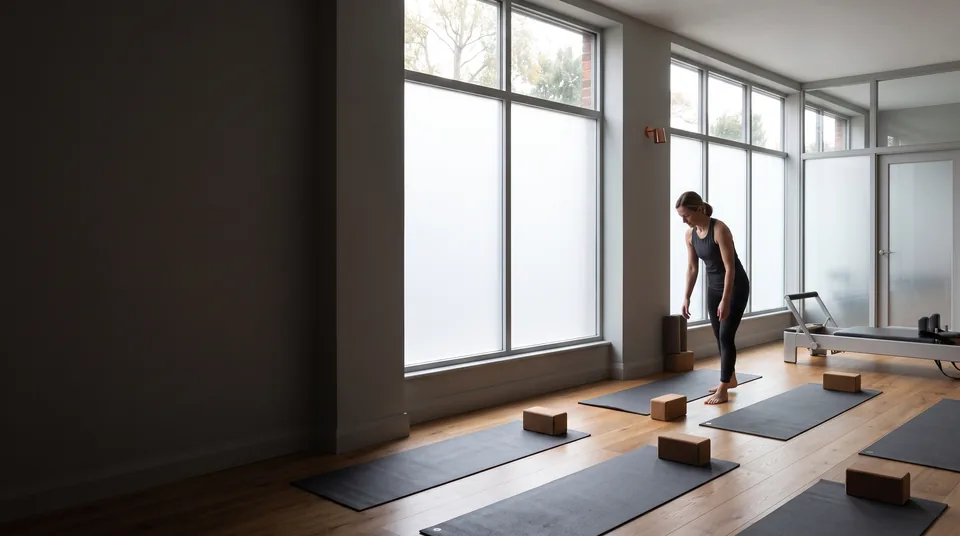
Provide the appropriate level of screening for different spaces.
Plan a studio project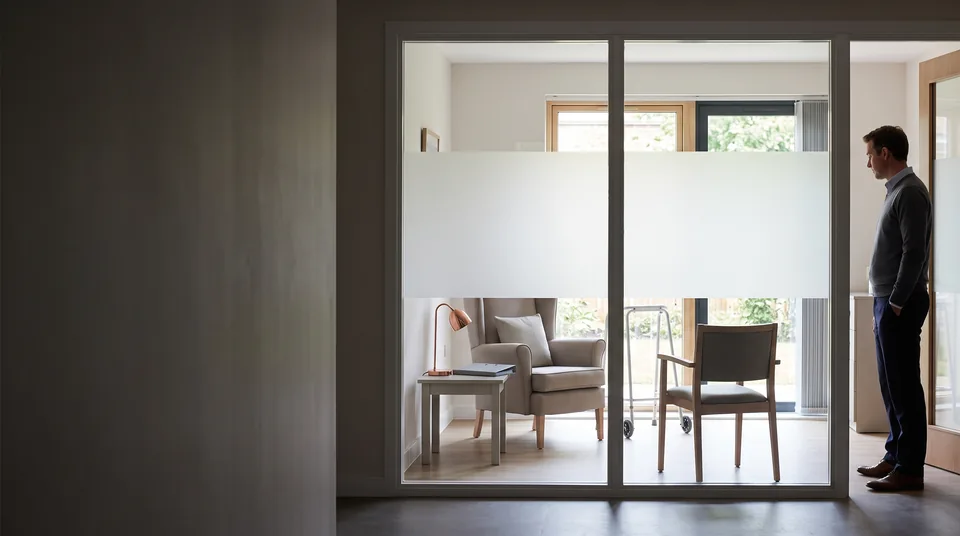
Assess privacy for consultation, treatment and residential areas.
Plan a healthcare enquiry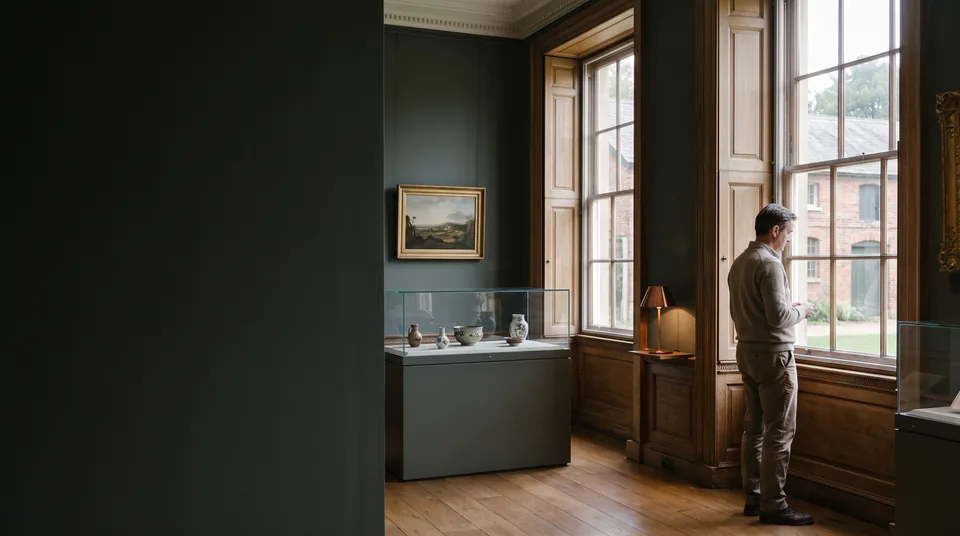
Explore UV and glare concerns without assuming film is appropriate.
Discuss sensitive glazing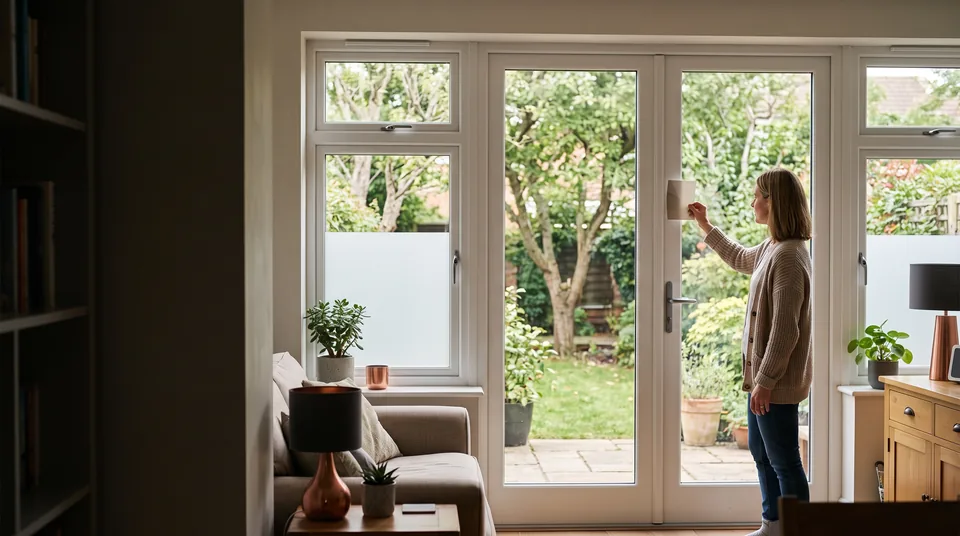
Reduce unwanted sunlight or screen glare while keeping useful daylight.
Plan film for my home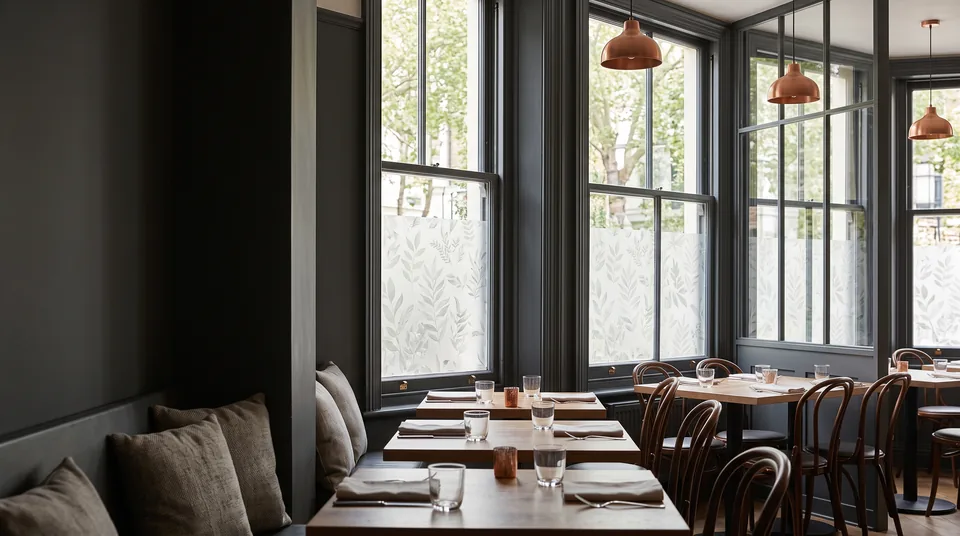
Improve privacy in selected guest, dining or meeting spaces.
Plan a hospitality project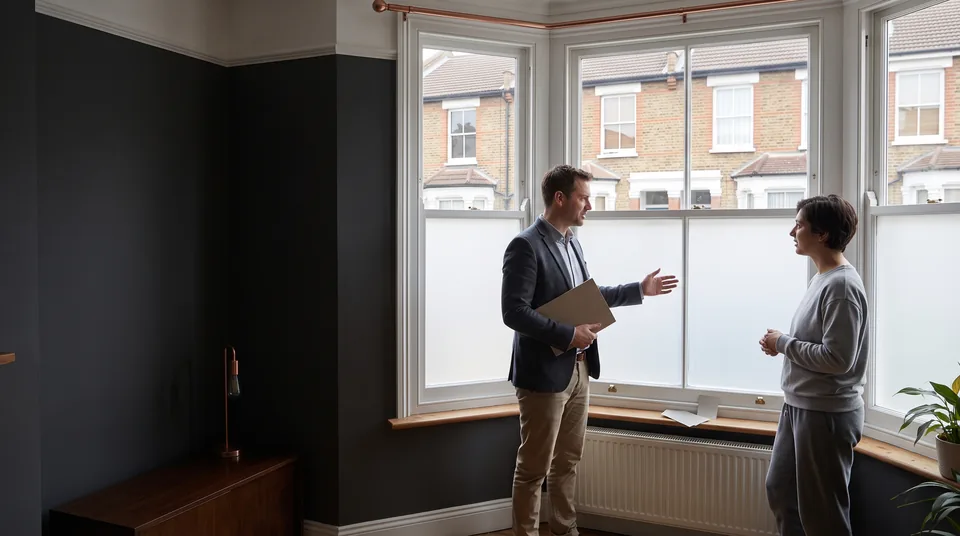
Address overlooked rooms and tenant-reported glare.
Plan a rental-property project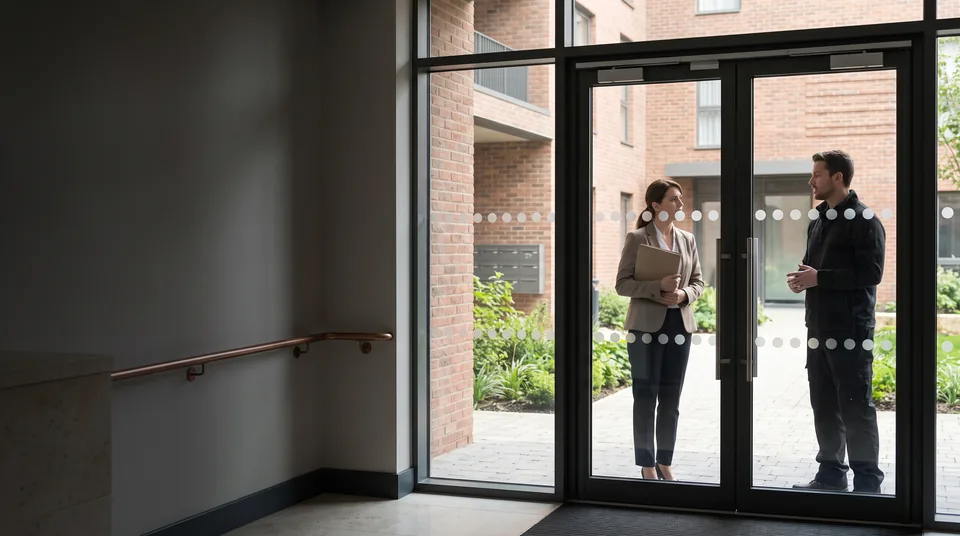
Coordinate appearance and privacy across communal spaces.
Plan a communal-glazing project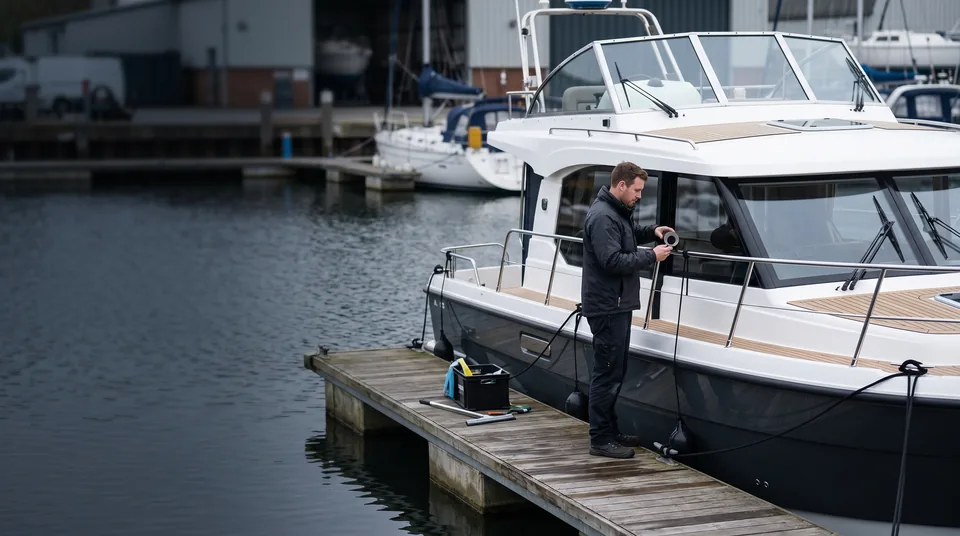
Assess cabin privacy and solar exposure without impairing necessary visibility.
Plan a marine enquiry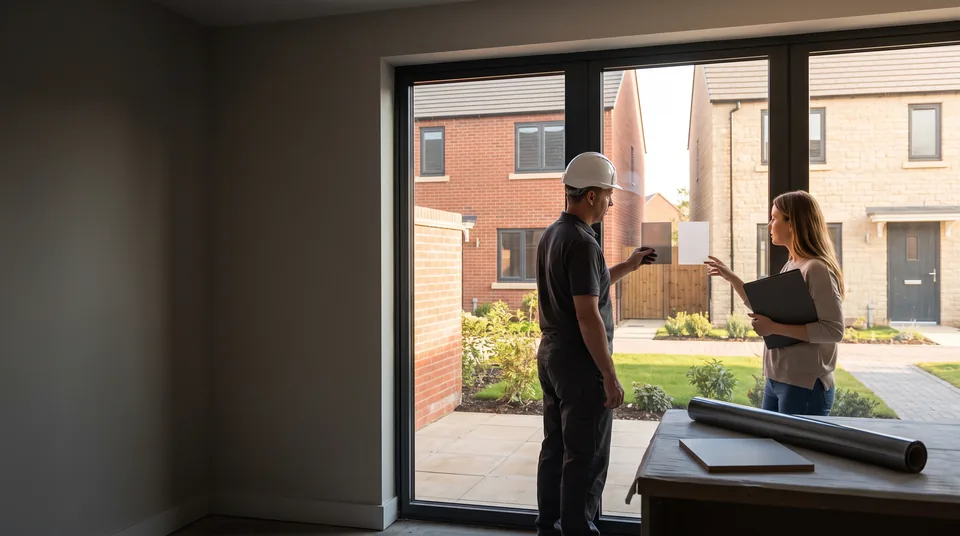
Resolve privacy, glare or appearance needs early enough for samples and approvals.
Plan a development project
Protect the display experience while considering daylight and reflections.
Plan a shopfront project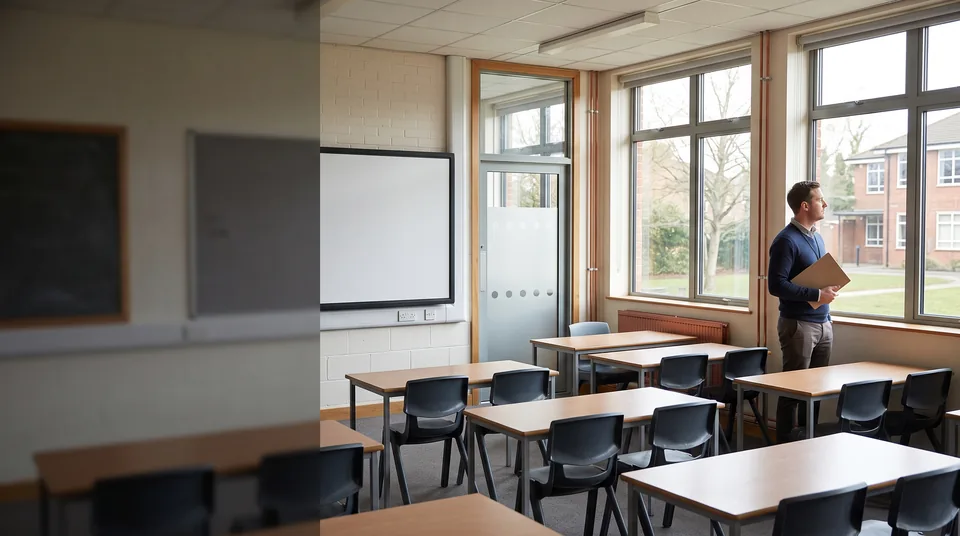
Identify classroom glare and sun exposure accurately.
Plan an education-site enquiryThese are intended customer groups, not a list of existing customers or confirmed local providers.
All audience guidesHow much daylight will the chosen film reduce?
Is total solar energy rejection different from infrared rejection?
Will it change the reflected appearance outside?
Is the film compatible with my sealed units and coatings?
The right film is chosen against the glazing and your priorities. A general heat-control claim is not a guaranteed room-temperature or energy-bill saving.
Choose a solar-control approach from the actual comfort problem, daylight priorities and glazing.
The right film is chosen against the glazing and your priorities. A general heat-control claim is not a guaranteed room-temperature or energy-bill saving.
Prepare a useful brief in a few short steps. You can review and download it before sharing anything.
Preview only: no contact details, files or enquiries are sent. A live quote service will follow supplier and installer onboarding.
Loading the tailored questions. Use the general project planner if needed.
Explore documented product ranges. These links do not confirm local stock, installer coverage or suitability for your glass.
Application illustration 3M
Solar-control film with reduced interior reflectivity for outward views after dark.
Explore film details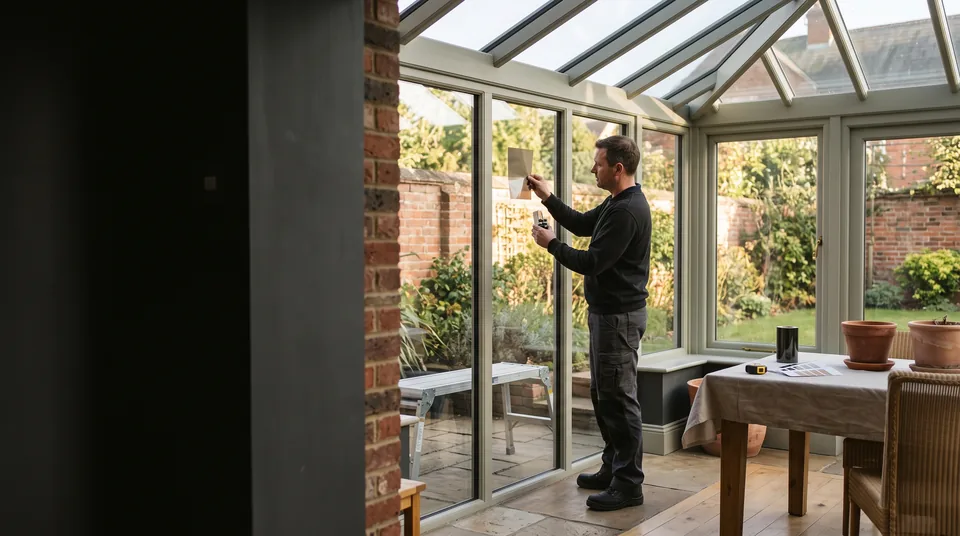 Application illustration3M
Exterior-applied Prestige solar control for glazing requiring an outside installation.
Explore film detailsApplication illustration3MMetal-free architectural solar film for projects that favour daylight and a discreet appearance.
Explore film detailsDescribe the work, location and result you want. Installer profiles and supplier records are private; the planned matching process will show proposed recipients before details are shared.
Prepare a project briefPreview: briefs download to your device. Nothing is sent.
Practical answers to help you plan your project.
A compatible film can reduce solar heat entering through treated glass, but the room’s temperature also depends on glazing area, orientation, ventilation and other heat sources. Compare total solar energy figures for the exact film on comparable test glass; no fixed temperature reduction is promised.
Link to this answerNo. UV can contribute to fading, but visible light, heat and the material itself also matter. Check the exact product’s documented UV properties and continue protecting sensitive furnishings and displays.
Link to this answerDiscuss uncomfortable sunlight, screen glare and the appearance you prefer. Product performance, glass compatibility and installation side all matter when choosing a solar-control film. Prepare answers to these questions: Which panes face the sun when the problem occurs? What glass type, coatings or sealed-unit information do you have? Is the priority glare, heat, appearance, fading or a combination?
Link to this answerFilm-to-glass compatibility must be checked. A high infrared rejection percentage is not the same as total solar-energy rejection, and no generic energy-saving or zero-fading result is promised. A DIY route should be considered only after checking the exact product, substrate and fitting instructions.
Link to this answer