
Architects and glazing specifiers
Compare film data on the same glazing basis.
Discuss a specification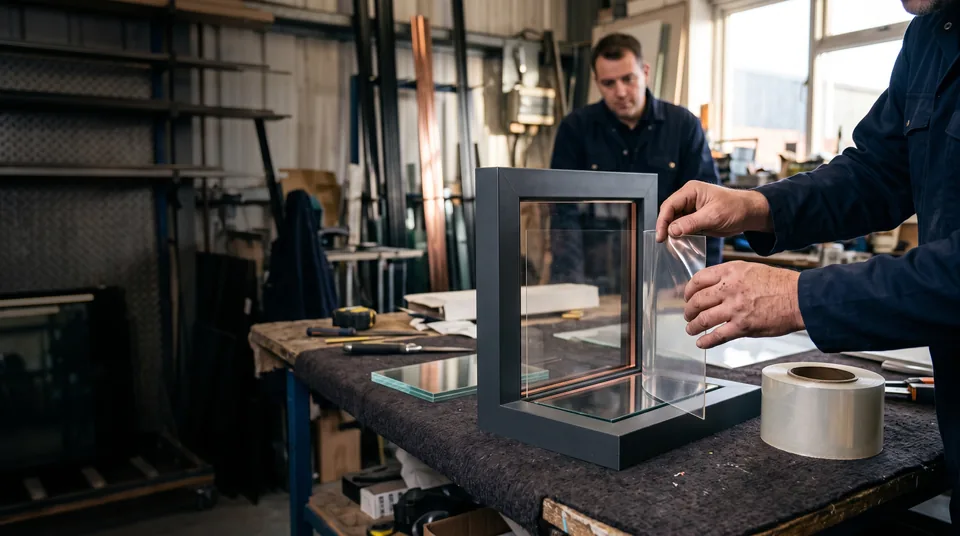
Start with the system, not the slogan.
Find your locationIllustrative imagery, not a local completed projectDefine the hazard or protection goal before choosing a film. Evidence must apply to the whole glazing system, including the glass, frame and any required attachment method.
Different people need different details. Find a starting point for your safety & security film brief.
Compare film data on the same glazing basis.
Discuss a specification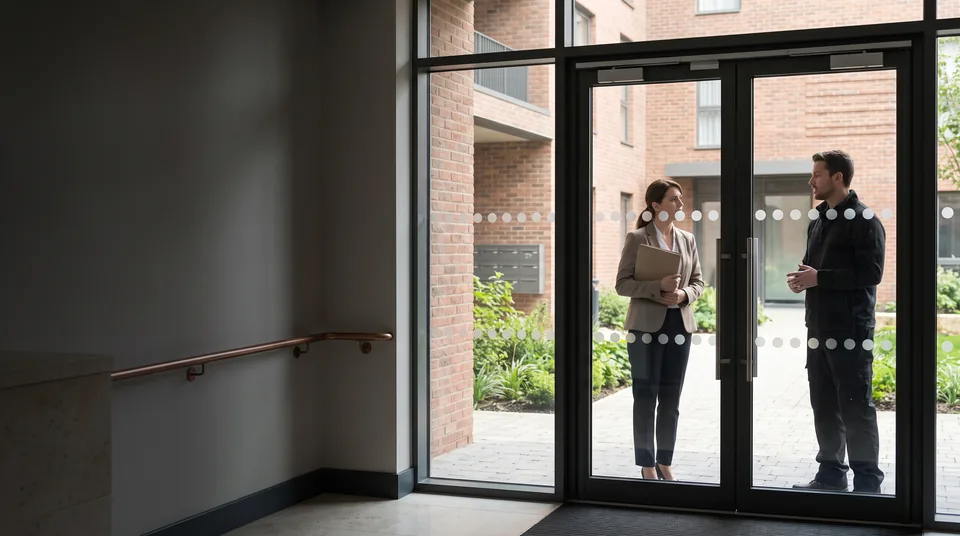
Coordinate appearance and privacy across communal spaces.
Plan a communal-glazing project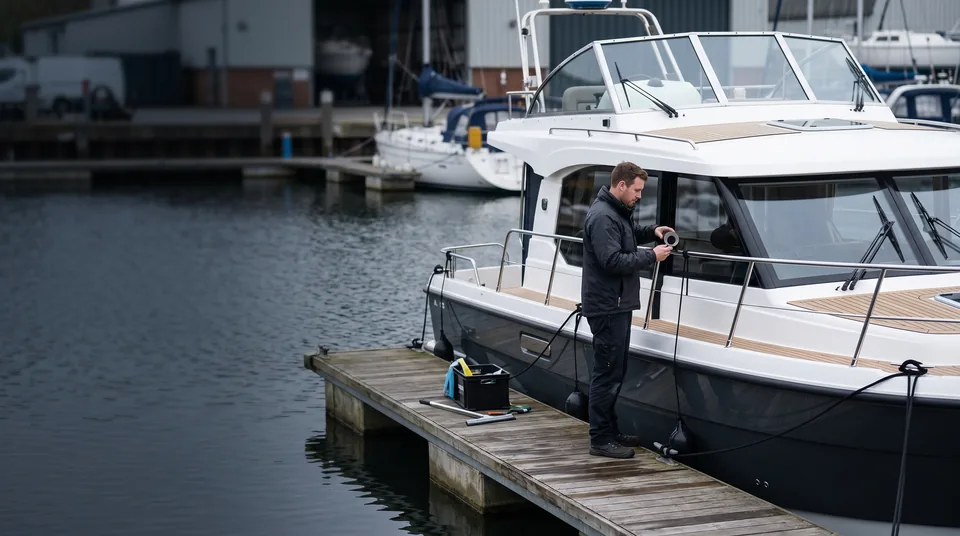
Assess cabin privacy and solar exposure without impairing necessary visibility.
Plan a marine enquiry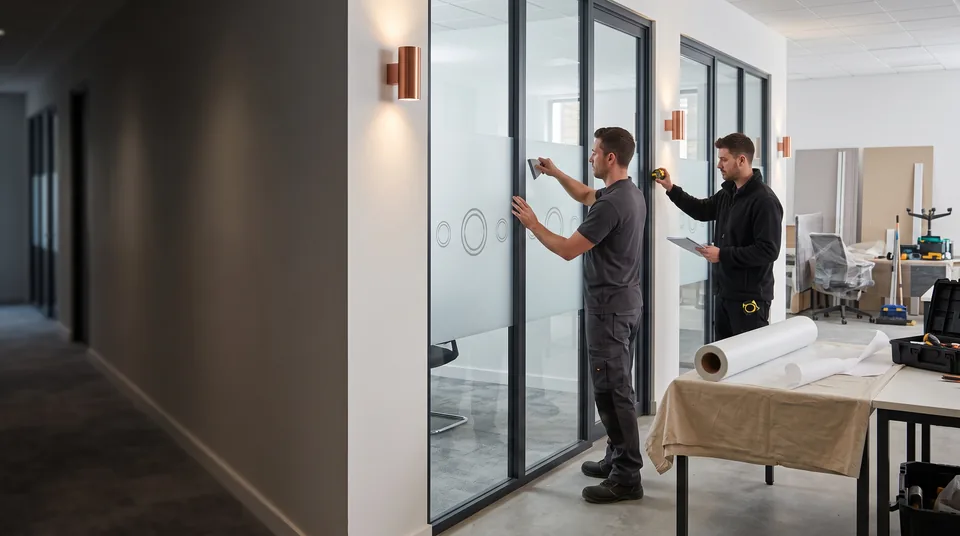
Match approved graphics across rooms and glass systems.
Plan a fit-out package
Identify classroom glare and sun exposure accurately.
Plan an education-site enquiryThese are intended customer groups, not a list of existing customers or confirmed local providers.
All audience guidesWhat testing matches our actual glass and frame?
Is a film-to-frame attachment system needed?
Is the aim fragment retention or delayed entry?
What installation, inspection and maintenance does the system require?
Who signs off the final specification?
Choosing ‘not sure’ is appropriate. The next technical step is to identify the glazing and requirement, rather than selecting a film thickness from a price list.
Define the protection requirement and gather enough glazing-system context for a competent technical assessment.
Choosing ‘not sure’ is appropriate. The next technical step is to identify the glazing and requirement, rather than selecting a film thickness from a price list.
Prepare a useful brief in a few short steps. You can review and download it before sharing anything.
Preview only: no contact details, files or enquiries are sent. A live quote service will follow supplier and installer onboarding.
Loading the tailored questions. Use the general project planner if needed.
Explore documented product ranges. These links do not confirm local stock, installer coverage or suitability for your glass.
Application illustration 3M
Clear polyurethane security film designed as part of a professionally specified glazing system.
Explore film detailsApplication illustration Avery Dennison / Hanita
Transparent interior safety films in several thicknesses for professionally assessed glass-retention requirements.
Explore film detailsApplication illustration Hüper Optik
Clear safety-film options for professionally assessed building-glass protection.
Explore film detailsDescribe the work, location and result you want. Installer profiles and supplier records are private; the planned matching process will show proposed recipients before details are shared.
Prepare a project briefPreview: briefs download to your device. Nothing is sent.
Practical answers to help you plan your project.
No. Ordinary safety or security film should not be described as bulletproof or guaranteed to stop entry. A protective requirement needs competent system design and relevant test evidence for the glass, frame, attachment and installation together.
Link to this answerThe film is only one part of the glazing system. Specify the risk and examine the glass, frame and edge attachment together; a film-only test or generic thickness does not establish the installed system’s performance.
Link to this answerDefine the hazard or protection goal before choosing a film. Evidence must apply to the whole glazing system, including the glass, frame and any required attachment method. Prepare answers to these questions: What specific risk or requirement needs addressing? What are the glass, frame and fixing details? Is a consultant, insurer or security professional setting the specification?
Link to this answerOrdinary safety or security film must not be described as bulletproof. Higher-risk applications require competent system design and relevant test evidence; they are not generic DIY substitutions. Professional or specialist assessment is recommended.
Link to this answer