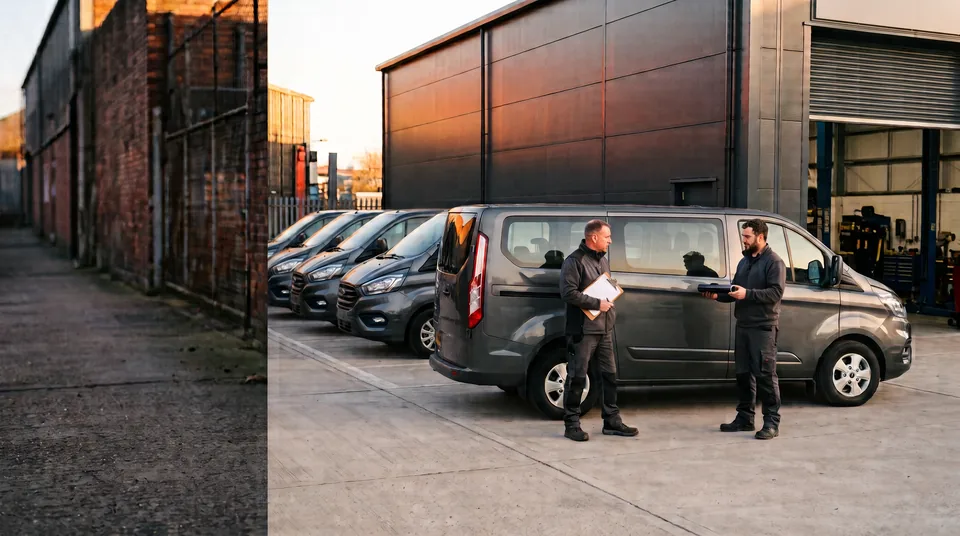
Business fleet operators
Define comfort, rear privacy or glare needs by vehicle type.
Plan a fleet project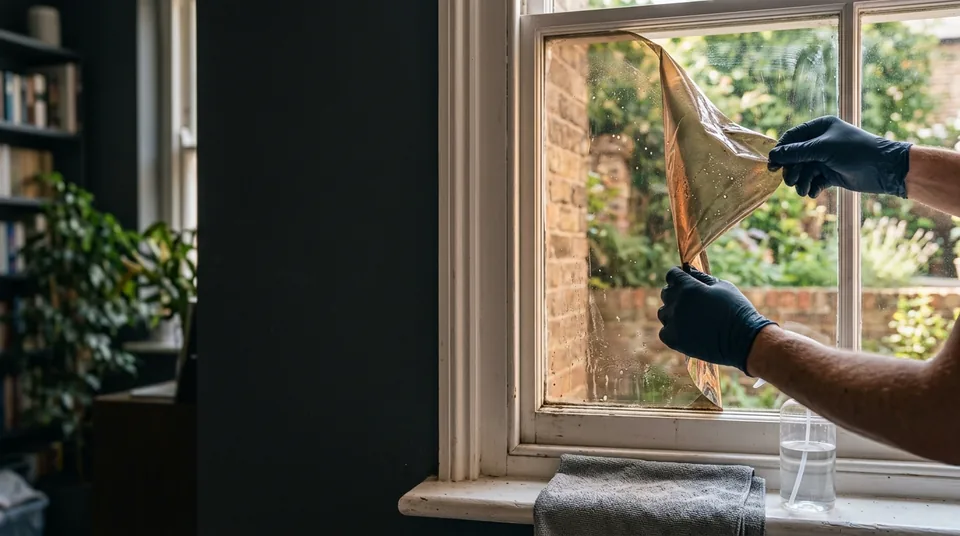
A fresh start for tired film.
Find your locationIllustrative imagery, not a local completed projectBubbling, peeling, aged adhesive or a change of use may call for removal before new film is considered. The removal method depends on the substrate, coatings and features behind the film.
Different people need different details. Find a starting point for your film removal & replacement brief.
Define comfort, rear privacy or glare needs by vehicle type.
Plan a fleet project
Assess privacy and solar exposure in the living area.
Plan a conversion enquiry
Compare a preferred appearance with visibility and solar-control needs.
Plan my car project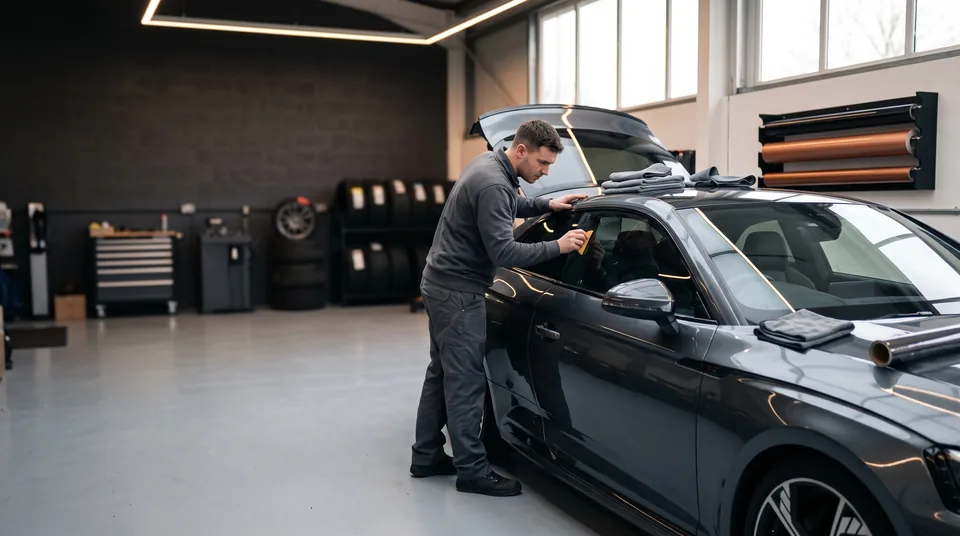
Capture a consistent vehicle and window brief before referring work.
Discuss an automotive referral
Reduce glare and solar discomfort in identified areas.
Plan an office project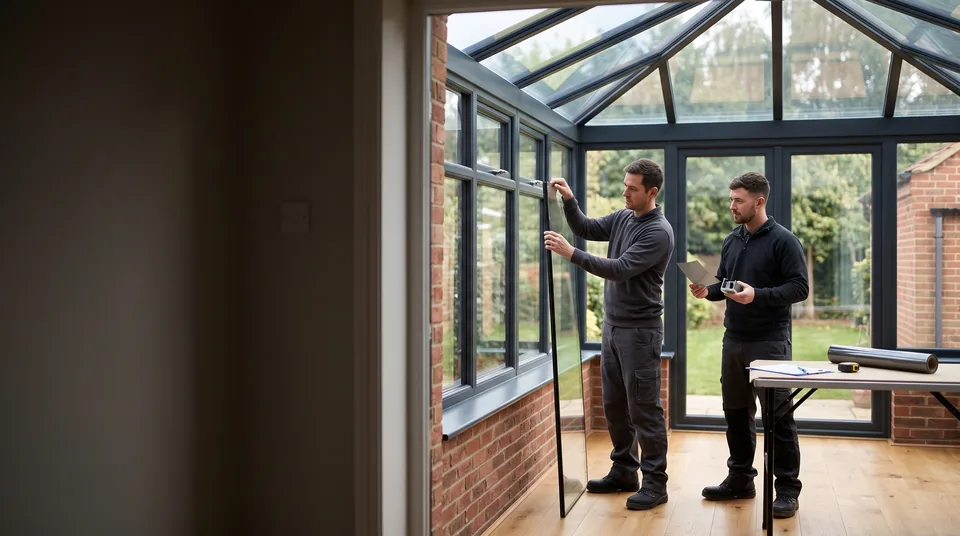
Distinguish glass and plastic substrates before discussing film.
Discuss a glazing referral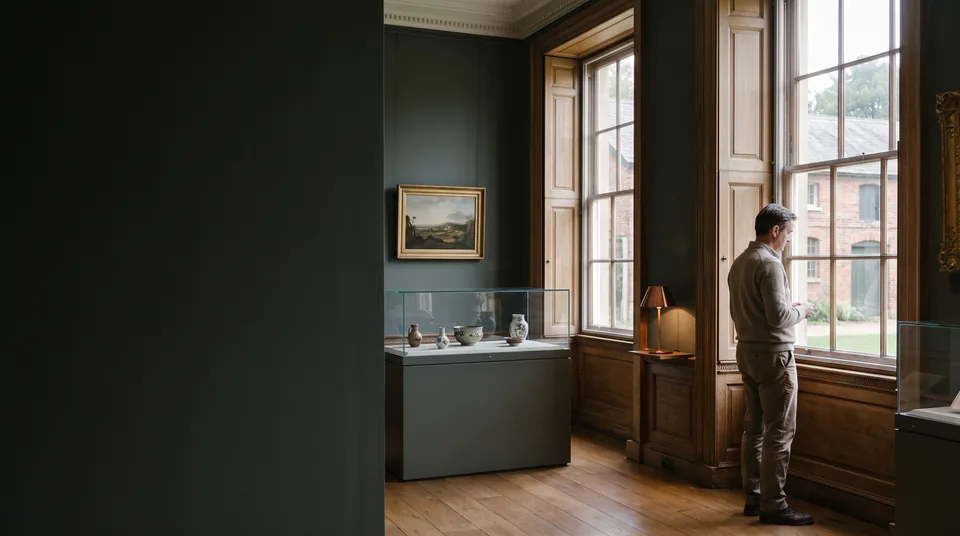
Explore UV and glare concerns without assuming film is appropriate.
Discuss sensitive glazing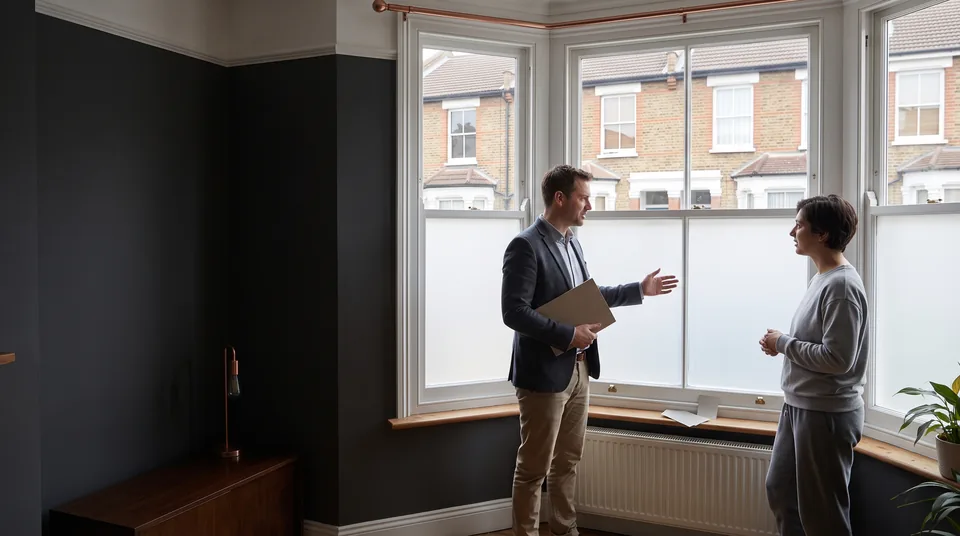
Address overlooked rooms and tenant-reported glare.
Plan a rental-property project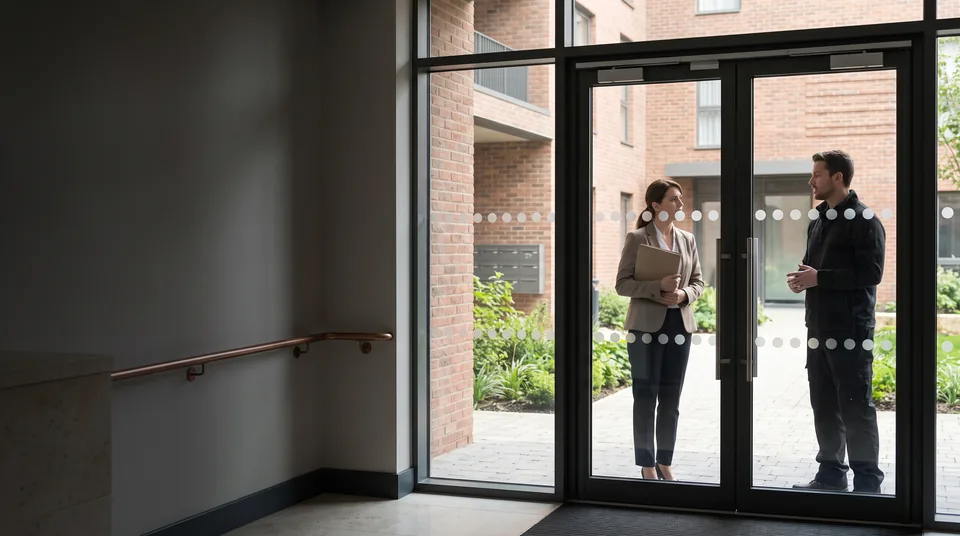
Coordinate appearance and privacy across communal spaces.
Plan a communal-glazing project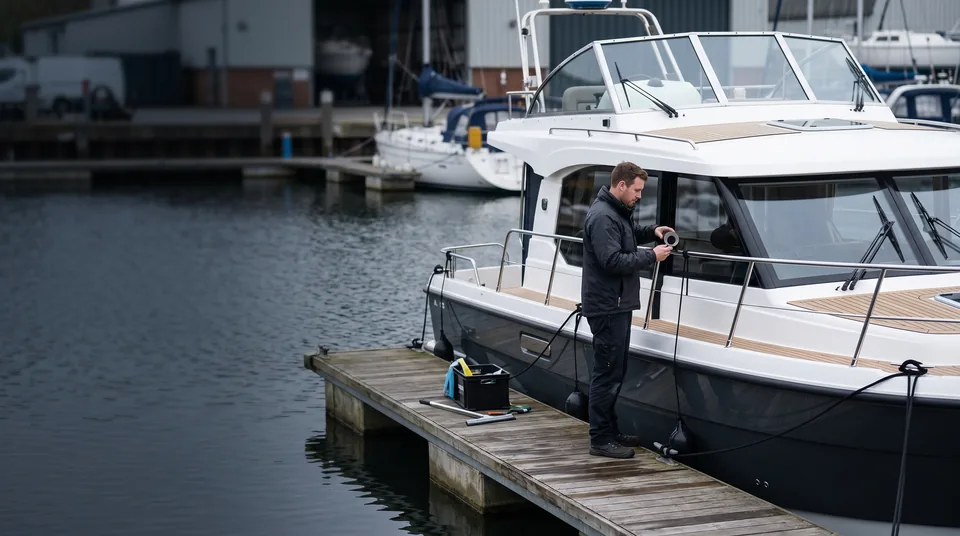
Assess cabin privacy and solar exposure without impairing necessary visibility.
Plan a marine enquiry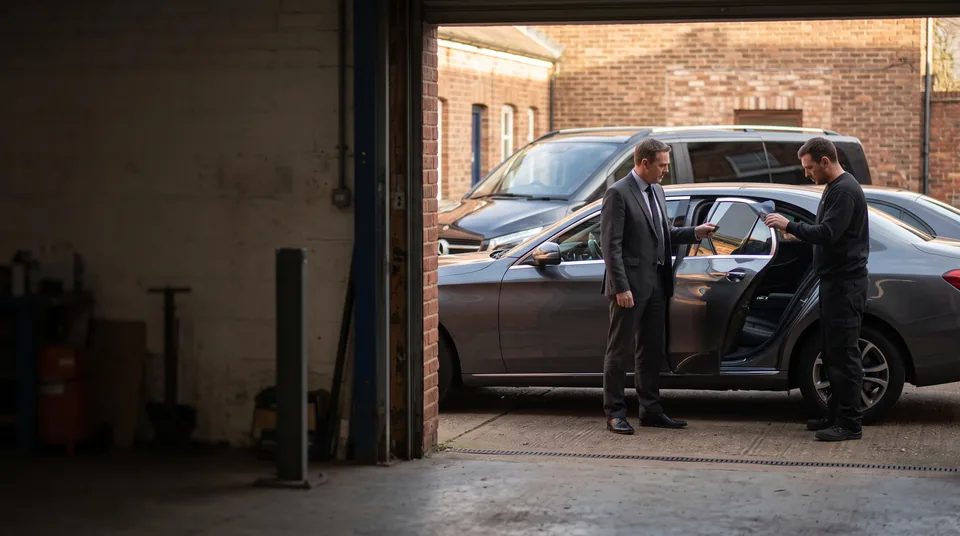
Balance passenger privacy with required visibility.
Plan an operator enquiry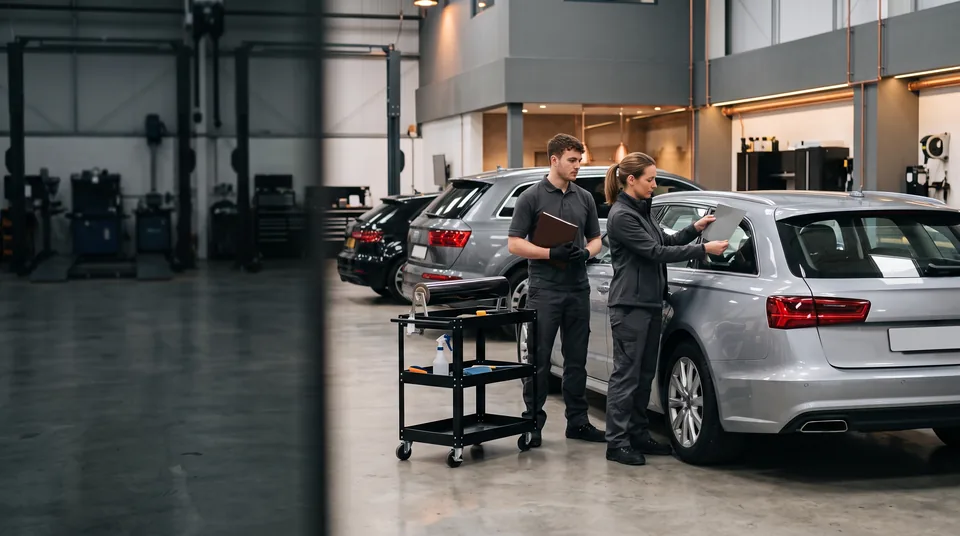
Coordinate an approved appearance across relevant vehicles.
Plan dealer vehicle workThese are intended customer groups, not a list of existing customers or confirmed local providers.
All audience guidesAre any cracks, scratches, coating defects or failed seals already present?
Will adhesive removal be included in the scope?
What precautions are needed around demisters, antennas or delicate coatings?
The first step is understanding the existing film and glass; an exact film brand is helpful but not essential.
Assess safe removal of existing film and whether replacement is wanted.
The first step is understanding the existing film and glass; an exact film brand is helpful but not essential.
Prepare a useful brief in a few short steps. You can review and download it before sharing anything.
Preview only: no contact details, files or enquiries are sent. A live quote service will follow supplier and installer onboarding.
Loading the tailored questions. Use the general project planner if needed.
This specialist service needs a project assessment before a product is selected.
Explore the film catalogueDescribe the work, location and result you want. Installer profiles and supplier records are private; the planned matching process will show proposed recipients before details are shared.
Prepare a project briefPreview: briefs download to your device. Nothing is sent.
Practical answers to help you plan your project.
The risk depends on the substrate, film, adhesive and existing condition. Document scratches, coatings, seals, demisters and antennas before work. Agree a suitable removal method and the responsibility for existing defects; damage-free removal cannot be assumed.
Link to this answerThe surface must first be inspected and prepared. Adhesive residue, damage or incompatible coatings may change the scope. Ask for removal, preparation and replacement to be itemised separately.
Link to this answerBubbling, peeling, aged adhesive or a change of use may call for removal before new film is considered. The removal method depends on the substrate, coatings and features behind the film. Prepare answers to these questions: Is the film on a vehicle, building or another surface? How old is it, and what problem are you seeing? Are there heaters, coatings, sensors or damaged areas behind it?
Link to this answerDo not scrape or heat a surface without checking the relevant guidance. A removal quote should explain responsibility for existing defects and any substrate-specific risks. Professional or specialist assessment is recommended.
Link to this answer